Truckers and farmers block roads across southern Italy over fuel and operating costs
Truckers and farmers staged road blockades and roadside protests across southern Italy, disrupting fuel deliveries, food supplies and freight transport. Organized groups later suspended their stoppages after the government offered financial assistance and agreed to negotiations, but independent protesters continued localized actions.
- 🇮🇹Italy
1 countries cited
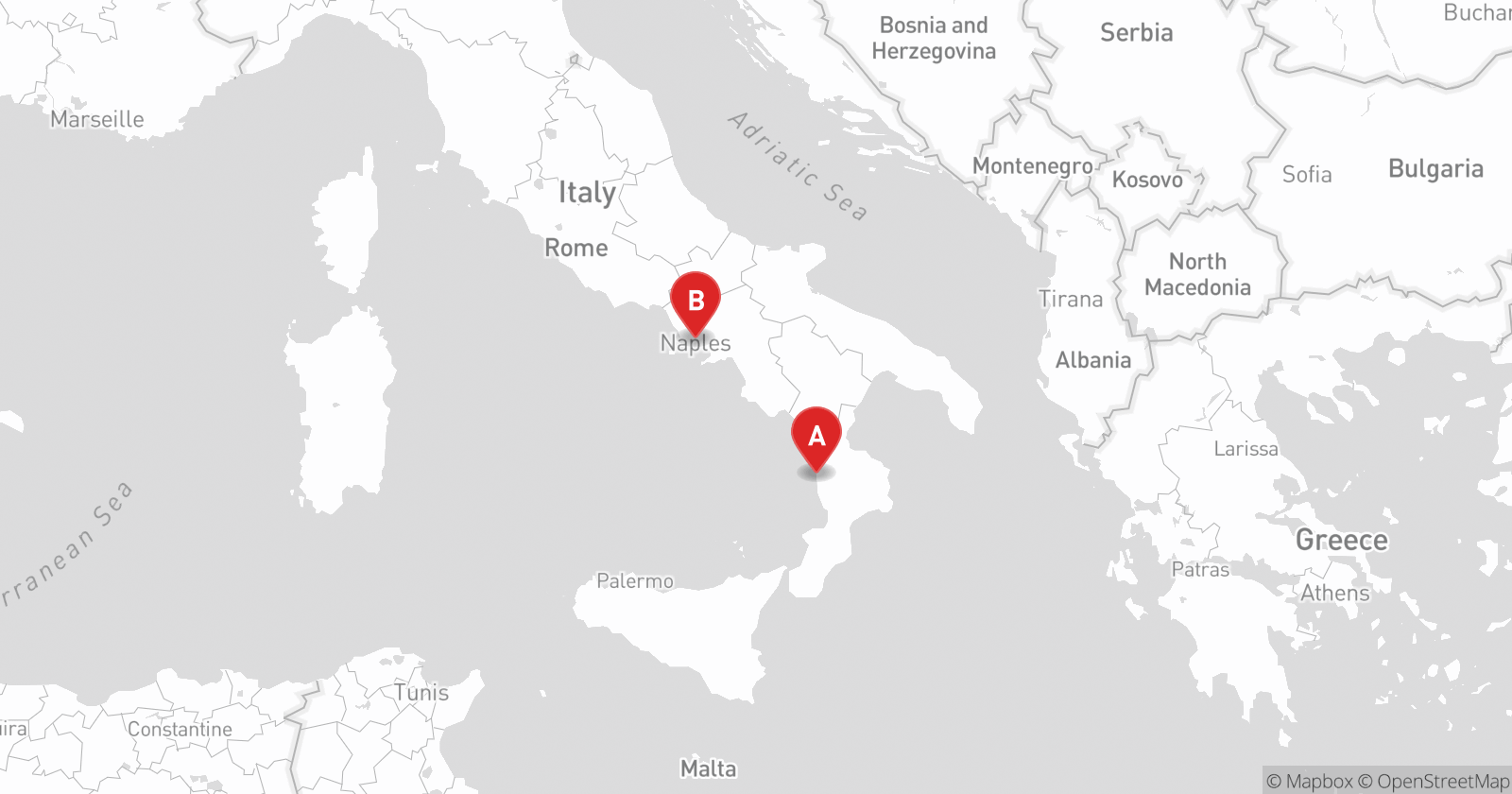
Truckers and farmers across southern Italy blocked roads, highway junctions and port access points in a protest over rising diesel prices and operating expenses, disrupting fuel deliveries, food distribution and other freight movements. The mobilization spread through Calabria, Campania, Puglia, Basilicata, Molise and Sicily, prompting the government to announce emergency assistance and seek talks with the transport and agricultural sectors.
In Calabria, truckers began a four-day stoppage on October 16, establishing about 15 roadside protest points around major junctions and near the areas of Lamezia Terme and Gioia Tauro. The action followed fuel shortages in Calabria and Puglia, where deliveries were affected in part by problems connected to supplies from the Taranto refinery.
The shortages led to long lines at stations that remained open. Local reports also described supermarkets running short of goods, particularly fresh food, as delayed freight movements affected retailers and producers. Businesses, airports and other parts of the regional economy faced disruption as the protest continued.
The effects were especially visible in Campania and Sicily. Authorities escorted hundreds of trucks through affected areas to keep essential freight moving, while police identified more than 1,300 people and filed dozens of criminal complaints connected with the blockades, according to ANSA. Officials warned that some road occupations were unlawful and said measures were needed to prevent a wider interruption of transport.
The disruption placed pressure on food producers as well as consumers. Deliveries of fresh products slowed, and agricultural businesses, including mozzarella producers, warned that they could struggle if transport remained unreliable. Mayors also expressed concern that the protests could severely affect large cities such as Naples and Bari, where interruptions to food, fuel and commercial deliveries would quickly spread through the wider economy.
The government responded with additional funding and measures aimed at several sectors. A further package worth €105 million included support for road-haulage companies, agricultural diesel and fishing. Officials also discussed a system that could adjust freight charges in response to changes in diesel prices, addressing a central demand from transport operators whose costs have risen sharply.
After receiving assurances that negotiations would take place, organized trucker groups in Sicily and Calabria suspended their formal blockades. Roads in parts of Calabria and Campania gradually reopened, and fuel and food deliveries began to return, although the recovery was uneven. Protest leaders said the stoppages could resume if the talks scheduled for October 27 did not produce satisfactory results.
The suspension did not end the demonstrations. Independent truckers, farmers, residents and local business owners continued to gather at several sites. Near Tortora in Calabria, roughly 50 people, including truckers and students, intermittently occupied a stretch of State Road 18. The action caused short delays rather than a permanent closure, while police monitored traffic.
Truckers also returned to the road near San Lucido despite the decision by a regional transport organization to suspend its stoppage. Families and local traders joined them, linking the fuel dispute to the broader increase in the cost of essential goods. Participants said the government’s measures were a starting point but did not yet provide enough relief for small transport businesses and farmers.
By late October, the protests had therefore shifted from a coordinated regional shutdown to a collection of formal negotiations and localized actions. The immediate pressure on fuel stations and food retailers began to ease as freight resumed, but the underlying dispute remained unresolved. Transport operators were seeking stronger protection against fuel-price increases and higher running costs, while the government faced the challenge of restoring regular deliveries without allowing illegal blockades to continue.
Sources referenced
Original reporting synthesized in this article. Civitano summarizes coverage differences — it does not reproduce outlet wording.
- Carburanti: proteste e blocchi di agricoltori e camionisti. Rischio stop nazionale
- 🇮🇹Italy
Rai reported that truckers in Calabria began a four-day stoppage on October 16, with roughly 15 roadside presidiums near Lamezia Terme, Gioia Tauro and major junctions. The action followed fuel shortages in Calabria and Puglia linked partly to disrupted deliveries from the Taranto refinery. The article described long queues at remaining open stations and warned that the transport dispute could threaten supermarket supplies and broader economic activity.
Published October 15, 2026
- I TIR ripartono: rimossi i blocchi stradali al Sud. Stanziati altri 105 milioni dal governo
- 🇮🇹Italy
Rai’s rolling coverage said roads in Calabria and Campania were gradually reopening after organized groups suspended their protest, while food and fuel deliveries began returning unevenly. The government approved additional support measures, including aid for transport companies, agricultural fuel and fishing, and discussed mechanisms linking freight rates to diesel prices. The report said some autonomous blockades and shortages remained, with protesters warning they could resume action if the October 27 negotiations failed.
- Il Governo sceglie la linea dura, sospesi i blocchi dei tir in Sicilia e Calabria
- 🇮🇹Italy
ANSA reported that organized trucker groups in Sicily and Calabria suspended their blockades after receiving assurances about negotiations with the government. At the same time, authorities identified more than 1,300 people, issued dozens of criminal complaints and escorted hundreds of trucks, particularly in Campania. The article described empty shelves, shortages of fresh food and fuel, pressure on mozzarella and other agricultural producers, and concerns from mayors that Naples and Bari could become paralyzed.
Published October 22, 2026
- Protesta Tir sospesa, nel Cosentino cittadini proseguono presidio
- 🇮🇹Italy
ANSA reported that around 50 truckers, students, merchants and other residents continued a spontaneous demonstration on State Road 18 near Tortora after Calabria’s formal transport stoppage was suspended. Participants intermittently occupied the road and caused short delays but did not permanently stop trucks. They said the gathering was intended to keep attention on transport-sector problems and the wider cost-of-living crisis, while police monitored the traffic.
Published October 22, 2026
- Blocchi sempre attivi. A San Lucido tornano in strada gli autotrasportatori
- 🇮🇹Italy
Rai’s Calabria bureau reported that truckers returned to the road near San Lucido despite Fedralog’s decision to suspend its regional stoppage. Families and local traders joined the protest against higher fuel prices and the rising cost of basic goods. Fresh-food deliveries were beginning to recover, but independent truckers and farmers said government measures were only an initial step and continued to demand stronger support.
Published October 22, 2026