March and March plans South African protests on immigration and gender-based violence
South Africa’s March and March movement is organizing demonstrations for September 30 that will retain its opposition to undocumented immigration while placing greater emphasis on gender-based violence and femicide. Police have urged participants to remain within the law as migrants and officials express concern about possible intimidation and clashes.
- 🇿🇦South Africa
1 countries cited

File photo: The Union Buildings in Pretoria, South Africa.
Photo: South African Tourism from South Africa / CC BY 2.0 · Wikimedia Commons
South Africa’s March and March movement is preparing demonstrations in several provinces on September 30, combining its demand for the removal of undocumented migrants with a newly prominent campaign against gender-based violence, femicide and crime.
The action follows nationwide protests held on June 30. The movement had already announced that it would return to the streets three months later, with undocumented immigration at the centre of its platform. In recent days, however, organizers have said the immediate focus will also include a men’s march against violence against women.
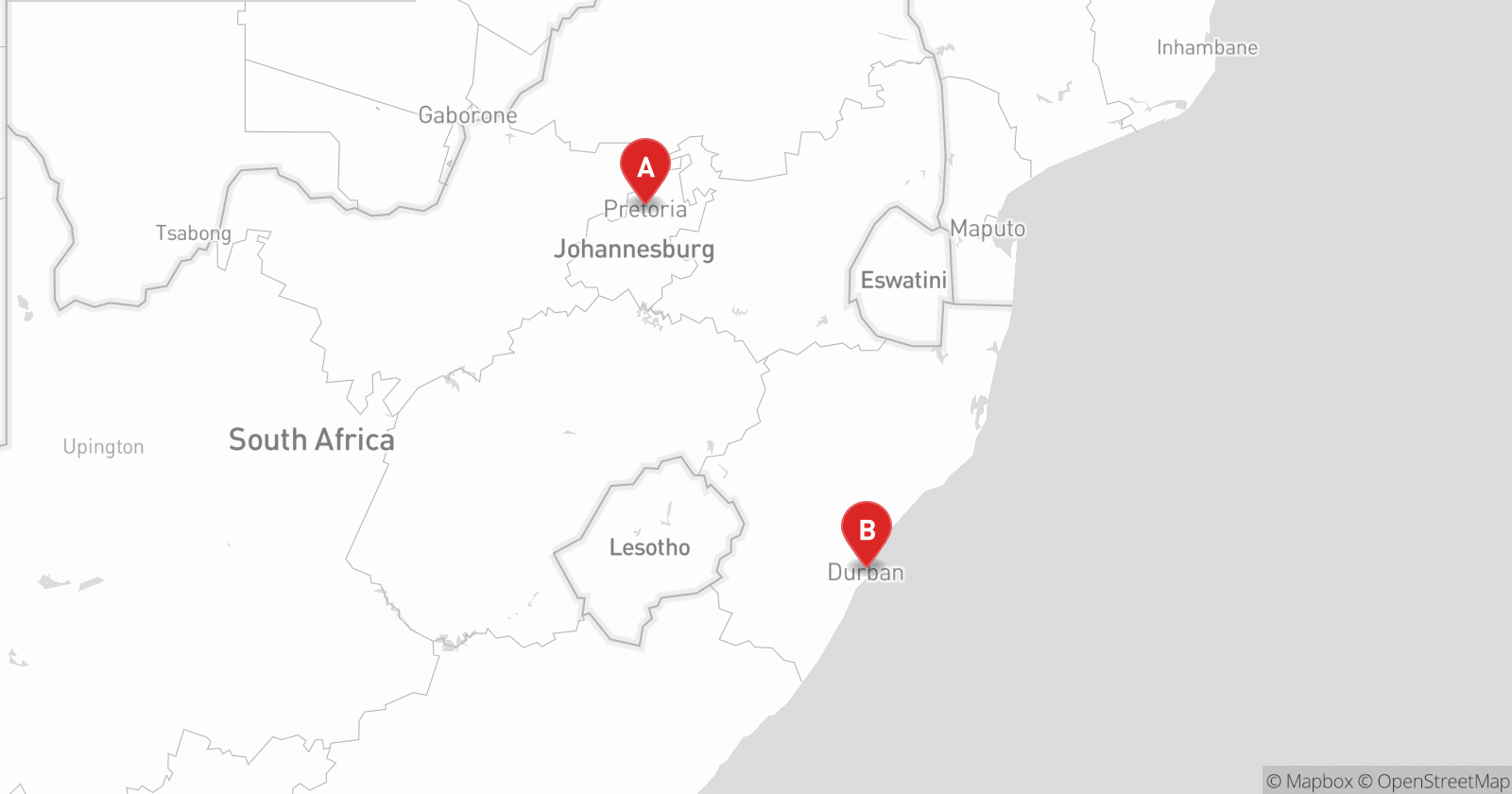
Large gatherings are expected in Pretoria and Durban, while events are planned or being discussed in Johannesburg, Cape Town, Limpopo and other parts of the country. Organizers say they intend to submit a memorandum to government representatives and have called for the protests to remain peaceful.
The renewed attention to gender-based violence comes after a series of killings, including mass shootings reported in Gauteng and the Western Cape. The movement has urged men to take a public stand against violence rather than treating it as an issue affecting women alone. Its immigration campaign remains active, and the September 30 demonstrations are still being presented as a national day of action against what the group describes as the government’s failure to control undocumented migration.
The protests are taking place amid a wider government enforcement drive. Authorities have reported large-scale inspections, arrests and preparations for deportation processing, while saying that border controls and checks are being expanded. Officials have also condemned confrontations involving protesters, migrants and police in Durban.
The city has become one of the most sensitive locations ahead of the planned action. More than 100 March and March supporters recently gathered near a camp outside Home Affairs refugee offices, where migrants had been staying for several months. Police formed a barrier between the groups after previous clashes in the area. The demonstration ended without a reported incident, although some participants were seen carrying sticks, traditional whips and face coverings.
The migrants later agreed to move to the Lindela Repatriation Centre. They said government departments had confirmed that many members of the group held refugee documentation, a claim that has added to tensions over how immigration status is assessed and enforced.
Police have told March and March supporters to operate within the law during the September 30 events. Authorities have said ordinary law-enforcement procedures will apply and that no additional policing budget has been set aside specifically for the demonstrations. The police position is that public order operations will continue as normal rather than being treated as an exceptional national security deployment.
The movement’s previous national action was associated with arrests, disruption to businesses and at least one death, according to local reporting. That record has increased concern among officials and communities that the immigration-focused part of the campaign could encourage intimidation or xenophobic violence, particularly in places where migrants and protesters have already confronted one another.
March and March leader Jacinta Ngobese-Zuma has described September 30 as a deadline for government action on the group’s demands. The movement has not abandoned its call for undocumented foreigners to leave South Africa, but its latest messaging seeks to place that demand alongside public anger over violent crime and the killing of women.
For authorities, the challenge will be to protect the right to protest while preventing attacks on migrants, clashes with police and disruptions to businesses and public services. For residents and migrant communities in cities such as Durban and Pretoria, the scale and tone of the demonstrations will determine whether the expanded agenda produces a broader campaign against violence or further inflames tensions around immigration.
Sources referenced
Original reporting synthesized in this article. Civitano summarizes coverage differences — it does not reproduce outlet wording.
- National shutdown hitting South Africa this week
- 🇿🇦South Africa
BusinessTech reports that March and March is planning another nationwide day of action for Wednesday, September 30, after warning that it would stage further protests three months after its June campaign. The movement has expanded the agenda to include a men’s march against gender-based violence and crime, while keeping opposition to undocumented immigration at its core. Planned demonstrations include Pretoria, Johannesburg, Durban, Cape Town and other cities. The report says police are maintaining a normal law-enforcement posture and that the earlier June protests were associated with arrests, business losses and at least one death.
Published September 28, 2026
- ‘Men cannot be silent’: March and March movement calls for national action against GBV
- 🇿🇦South Africa
IOL says the movement has redirected the immediate emphasis of its planned action from undocumented immigration toward gender-based violence and femicide, although immigration remains a central part of its platform. Organizers cited recent killings, including mass shootings in Gauteng and the Western Cape, and called on men to publicly oppose violence against women. The main planned marches are in Tshwane and Durban, with additional events under discussion in Limpopo and Cape Town. Organizers say the demonstrations should be peaceful and intend to submit a memorandum to government representatives.
Published September 28, 2026
- March and March warned to operate within ambit of the law
- 🇿🇦South Africa
The Witness reports that police warned March and March supporters to remain within the law during the September 30 demonstrations and said no special policing budget had been assigned. The report connects the planned action to the movement’s demand for the deportation of undocumented foreigners and describes September 30 as a deadline announced by leader Jacinta Ngobese-Zuma. It also details a government enforcement campaign involving hundreds of thousands of inspections, arrests and deportation processing. Officials said border enforcement and inspections were being expanded while condemning clashes involving protesters, migrants and police in Durban.
Published September 9, 2026
- 'We are just scared' - Durban migrants on March and March demonstration
- 🇿🇦South Africa
Eyewitness News describes growing fear among migrants who had been camped outside Durban’s Home Affairs refugee offices for several months. More than 100 March and March supporters demonstrated near the camp, with police forming a barrier between protesters and migrants after earlier clashes. The demonstration ended without a reported incident, but some protesters were carrying sticks, sjamboks and face coverings. The migrants agreed to move to the Lindela Repatriation Centre and said many of them had documented refugee status confirmed by government departments.
Published September 11, 2026