Settler Confrontation Disrupts Palestinian Family’s Return to Jalud Homes
More than 100 Israeli settlers confronted security forces during an attempted escort of the Tubasi family back to homes in Jalud, in the occupied West Bank. The return was halted amid reports of fires, property damage, arrests and injuries to Israeli personnel.
- 🇮🇱Israel
- 🇵🇸Palestine
- 🇺🇸United States
3 countries cited
What happened
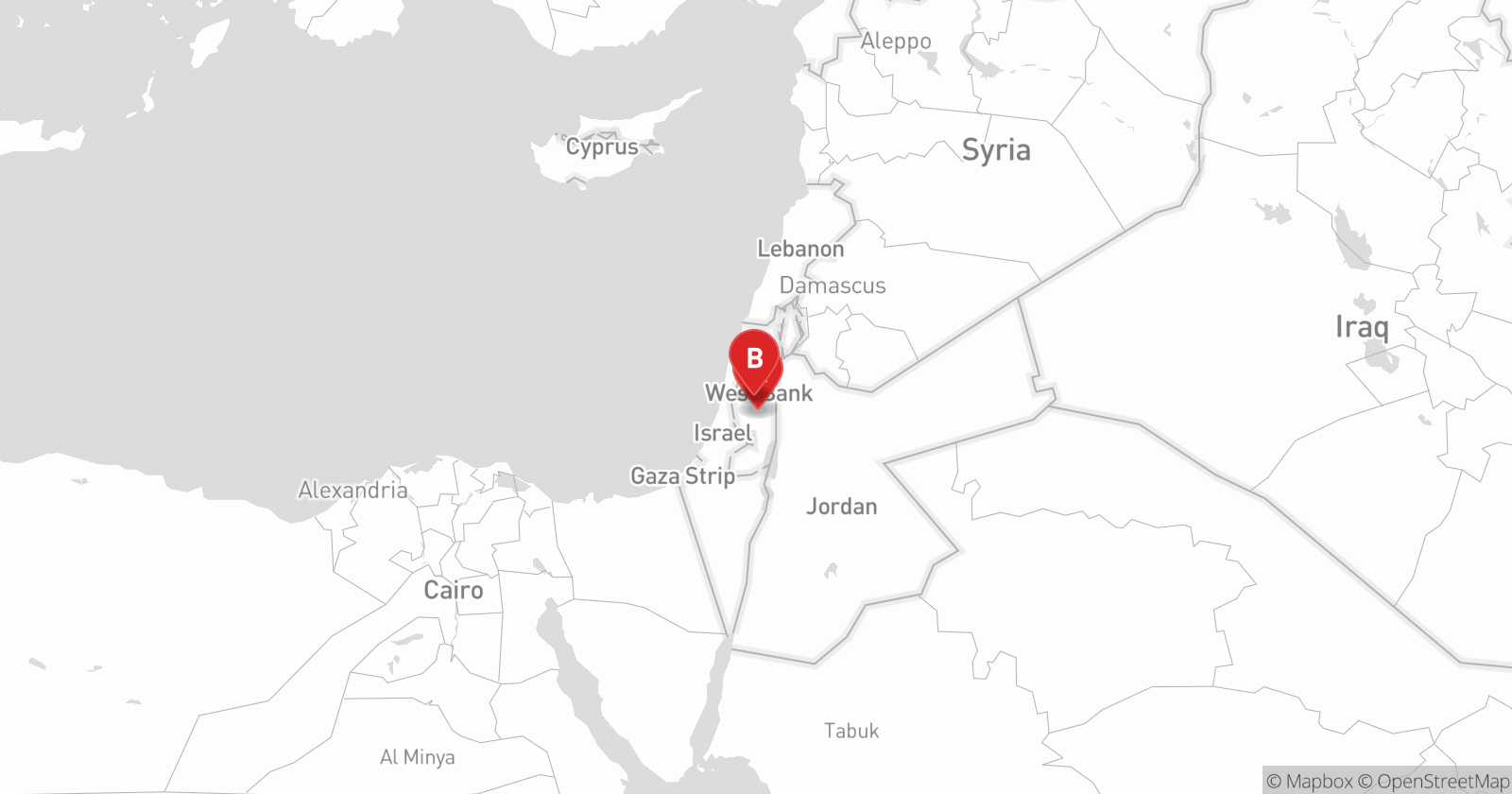
Israeli security forces attempted to escort Mahmoud Tubasi and his family back to their homes in Jalud, a Palestinian village in the occupied West Bank near Nablus. The operation followed an Israeli court ruling connected to the family’s return. Multiple reports agree that the effort was interrupted before the family could complete its move back.
More than 100 Israeli settlers gathered during the operation and confronted the security personnel. Reporting from the Times of Israel and the Associated Press, drawing on Israeli military and police accounts, describes roads being blocked, stones thrown and fires set during the disturbance. Palestinian reporting by WAFA describes the episode as an attack that damaged the Tubasi family’s property, including two homes. Across the accounts, homes and vehicles were reported damaged or burned.
Israeli forces clashed with the settlers as they tried to control the scene and keep the family’s return operation from being stopped. The family ultimately did not remain in the homes, meaning the court-backed return was not completed. Israeli authorities said three settlers were detained, while three Border Police officers sustained light injuries. The available reports do not establish a fully agreed account of the extent of the damage or the precise sequence of every confrontation.
The incident occurred against a wider backdrop of disputes over Palestinian access to land and repeated allegations of settler violence in the northern West Bank. Israeli officials condemned the violence and the attack on security personnel. At the same time, reporting raised questions about whether coordination between the army and police was sufficient to protect the operation and the family.
How each side reports it
Israeli coverage, represented here by the Times of Israel, places the disruption within the framework of settlers defying Israeli state institutions. Its account gives prominent space to the military description of a large group obstructing roads, attacking security forces and preventing the family’s return. It also stresses the arrests, injuries to Border Police and condemnation from Israeli officials. This framing distinguishes the settlers from the state forces confronting them and focuses on a breakdown in law enforcement and operational coordination.
Palestinian coverage by WAFA uses a different starting point. It presents the event primarily as an Israeli settler assault on a Palestinian family and emphasizes the burning of two homes and extensive damage in the village. The report links the incident to an ongoing pattern of settler violence and efforts to take or control Palestinian land near Nablus. Its account also says Israeli forces protected the attackers and made the family leave again, assigning responsibility not only to the settlers but to the security response. The Israeli arrest figures and the injuries to Israeli personnel receive less emphasis than the damage to Palestinian property and the failed return.
The Associated Press occupies a more intermediary position in the available coverage. Its report places Jalud within a broader roundup of Middle East developments and foregrounds the confrontation between settlers and Israeli soldiers, the failed military mission, the property fires, three arrests and three injured officers. It also includes Mahmoud Tubasi’s account and references criticism from rights groups that the army has struggled to restrain settler violence. Unlike the more sharply attributed WAFA account, the AP presentation reports competing claims about the conduct of Israeli forces without resolving them.
The differences are therefore visible in terminology, sourcing and emphasis. Israeli-oriented reporting relies heavily on military, police and government statements and treats the central breach as settlers’ attack on Israeli personnel and obstruction of a court-related operation. Palestinian reporting foregrounds the displaced family, burned homes and the broader system of settler attacks and land pressure, while portraying the security forces as enabling the outcome. The AP combines official Israeli figures with Palestinian testimony and rights-group criticism. None of these emphases, by themselves, settles disputed questions about responsibility for each act or the adequacy of the security response; they show how the same confrontation is organized around different victims, authorities and political contexts.
Sources referenced
Original reporting synthesized in this article. Civitano summarizes coverage differences — it does not reproduce outlet wording.
- Over 100 settlers attack West Bank village, block Palestinian family’s return home
- 🇮🇱Israel
The Israeli outlet emphasizes the IDF account that more than 100 settlers blocked roads, threw stones at security forces, set fires and prevented the family’s return. It also highlights Israeli officials’ condemnation of the violence, the detention of three suspects and allegations that the army failed to coordinate adequately with police.
Published September 29, 2026
- Colonists attack village near Nablus, burn two homes
- 🇵🇸Palestine
The Palestinian news agency frames the event as an attack by Israeli settlers that burned two Tubasi family homes and caused extensive damage. Its account says Israeli forces protected the attackers and forced the family to leave again after the court-ordered return, presenting the incident as part of continuing settler violence and land seizure around Nablus.
Published September 29, 2026
- Iran tells the US public that Trump's war has failed, and other Mideast developments
- 🇺🇸United States
The AP presents the Jalud incident as part of a broader Middle East developments report, focusing on the settlers’ confrontation with Israeli soldiers and an interview with Mahmoud Tubasi. It reports that the military said the return mission failed, three officers were injured, property was burned and three settlers were arrested, while noting accusations by rights groups that the army has struggled to contain settler violence.
Published September 29, 2026