Russia and Ukraine Agree to Localized Ceasefire Around Oleshky for Aid and Evacuations
Russia and Ukraine agreed to temporarily halt fighting around Russian-controlled Oleshky in Ukraine’s Kherson region. The arrangement is intended to enable humanitarian deliveries, demining work and the evacuation of civilians beginning October 27, 2026.
- 🇬🇧United Kingdom
- 🇷🇺Russia
- 🇺🇦Ukraine
- 🇺🇸United States
4 countries cited
What happened
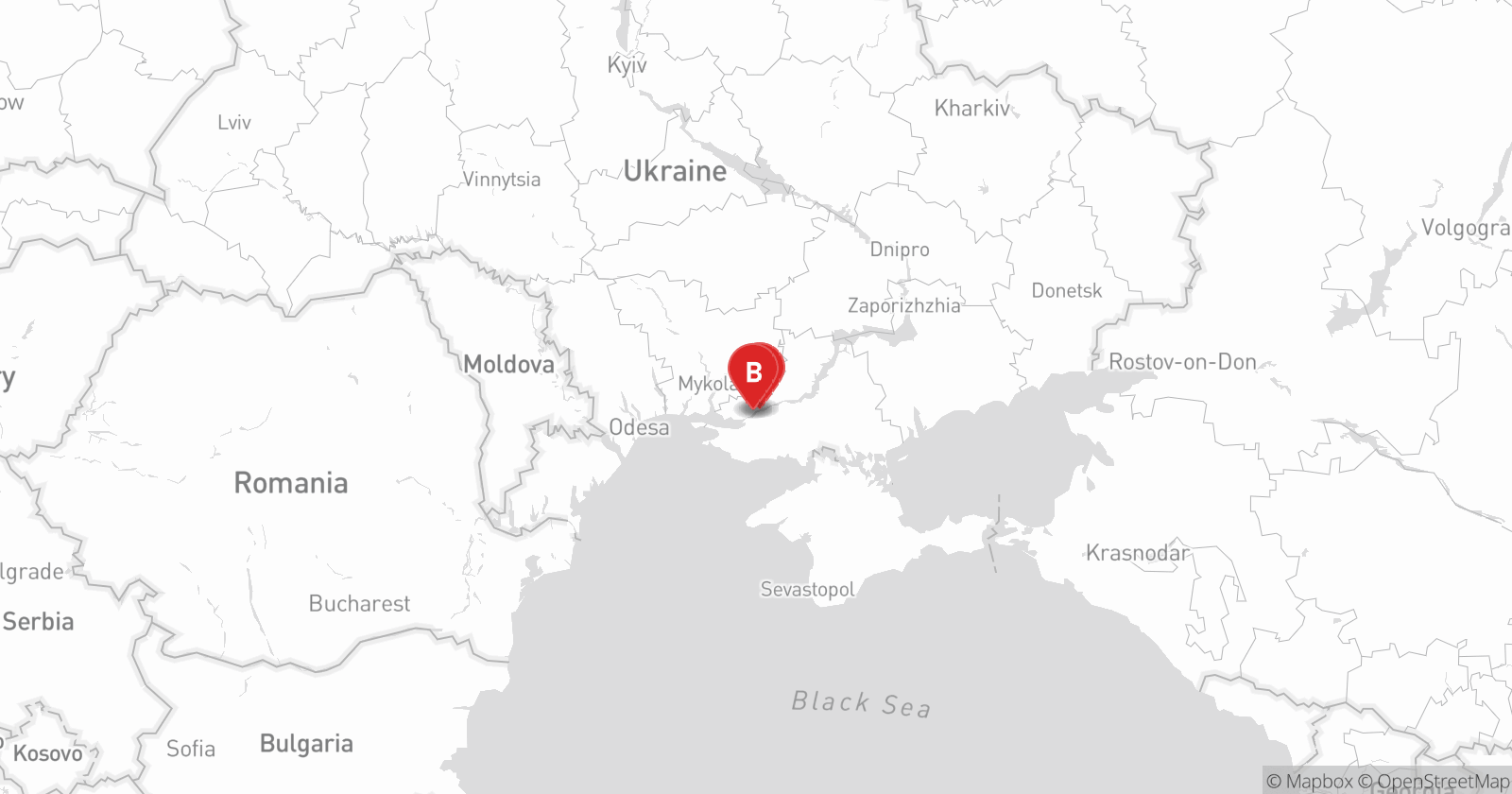
Ukrainian and Russian representatives confirmed a temporary ceasefire around Oleshky, a city on the Russian-controlled side of the Dnipro River in Ukraine’s Kherson region. The pause is scheduled to begin on October 27, 2026, and is limited to the area around the city rather than representing a broader suspension of the war. Reports describe the arrangement as a practical humanitarian measure negotiated by representatives of the two sides.
The stated purpose is to make it possible to deliver food, water, medicine and other assistance, while also creating conditions for civilian evacuations. The plan is also connected with demining and the preparation of safer routes for aid workers and residents. The exact procedures, routes and security arrangements were not fully made public in the reporting reviewed, leaving some operational questions unresolved.
Several accounts said the arrangement was facilitated with the involvement of U.S. representatives and Melania Trump. Ukrainian and Russian ombudsmen were identified in coverage as participants in coordinating the humanitarian mechanism, while other reports placed the local agreement within wider contacts involving Russia, Ukraine and the United States. The sources differed in how much importance they assigned to that diplomatic involvement, but agreed that the immediate goal was access to civilians and the movement of humanitarian supplies.
The reports also situated the ceasefire within a deteriorating local humanitarian situation and an unresolved wider conflict. Oleshky has been described as cut off by fighting and lacking basic services, with remaining residents facing shortages. The local pause does not settle the dispute over control of the city or the broader territorial and political disagreements between Moscow and Kyiv. Reuters and other coverage linked it to possible technical-level discussions, while noting that previous peace efforts had not overcome the central disagreements.
How each side reports it
Ukrainian coverage, including TSN’s account and the Ukrainian framing reflected in reporting by the Associated Press, presents the ceasefire primarily as an emergency humanitarian operation in an occupied Ukrainian city. The emphasis falls on shortages of food, water and medicine, the vulnerability of civilians and the need to establish safe corridors. The terminology places Oleshky within the context of Russian occupation and describes the pause as a means of reaching people who have been isolated by the fighting. Ukrainian officials and the ombudsman’s office are central sources in this presentation.
That framing also gives prominence to practical preparations: aid convoys, evacuation routes, demining and the coordination required to prevent renewed combat during those activities. The AP account adds a more cautious layer by stressing that key details had not been disclosed. This makes the arrangement appear less like a settled political breakthrough than a narrowly defined local agreement whose success depends on implementation. International wire coverage similarly highlights the ceasefire’s limited scope and the continuing obstacles to wider negotiations.
Russian coverage, represented here by Kommersant, describes the arrangement more directly as a confirmed Russian-Ukrainian agreement to bring humanitarian assistance to Oleshky and evacuate residents. It gives less narrative weight to the language of occupation and more attention to the agreement as a product of contacts between the two sides. The ceasefire is presented not only as a local relief measure but also as a possible confidence-building precedent that could inform future negotiations, although the report cautions against treating it as proof of a major political shift.
The difference is therefore mainly one of emphasis rather than the basic event. Ukrainian-oriented reporting foregrounds the conditions of civilians under Russian control and the immediate obligations of an occupying power, while Russian reporting foregrounds reciprocity, negotiation and the potential diplomatic value of the agreement. Both accounts describe aid and evacuation as the stated purposes, but they place responsibility and political meaning differently. Reuters and AP provide a partial bridge between the narratives: they confirm the humanitarian aims and planned timing while emphasizing that the pause is local, its mechanics remain partly unclear and the larger war continues. These distinctions describe how the event is framed; they do not independently resolve the competing claims over sovereignty, responsibility or the prospects for peace.
Sources referenced
Original reporting synthesized in this article. Civitano summarizes coverage differences — it does not reproduce outlet wording.
- Russia, Ukraine agree on ceasefire in embattled town, to hold peace talks next month
- 🇬🇧United Kingdom
Reuters reports that the ceasefire is scheduled to permit aid deliveries and civilian evacuation, with both militaries agreeing to observe it from the same local time. The report also links the local arrangement to planned technical-level talks involving Russia, Ukraine and the United States, but notes that previous peace efforts had stalled and major territorial disagreements remained.
Published October 23, 2026
- Россия и Украина договорились о прекращении огня в Алешках
- 🇷🇺Russia
Kommersant describes the ceasefire as a confirmed Russian-Ukrainian agreement for bringing humanitarian assistance to Oleshky and evacuating residents. Its framing gives greater attention to the truce as a possible confidence-building precedent for wider negotiations, while noting that its political significance should not be overstated.
Published October 24, 2026
- Прекращение огня в Олешках: Лубинец назвал точное время введения режима тишины
- 🇺🇦Ukraine
The Ukrainian outlet presents the arrangement as a humanitarian mission coordinated by the Ukrainian and Russian ombudsmen. It emphasizes the severe shortages of food, water and medicine in what it calls an occupied city, and says the truce is intended to prepare aid deliveries, safe routes and civilian departures.
Published October 24, 2026
- A look at Melania Trump-brokered ceasefire in Ukraine
- 🇺🇸United States
The Associated Press portrays Oleshky as a small Ukrainian city cut off by fighting and facing a lack of basic utilities. It reports that Ukrainian, Russian and U.S. negotiators reached a localized ceasefire to bring in relief and allow residents to leave, while stressing that several operational details remained undisclosed.