Milan court upholds October 28 shutdown deadline for Taranto steelworks
An appeals court in Milan has rejected a request to suspend an order requiring the hot-production area of the former Ilva steelworks in Taranto to close by October 28. The decision deepens a dispute over pollution and public health while leaving thousands of industrial jobs uncertain.
- 🇮🇹Italy
1 countries cited
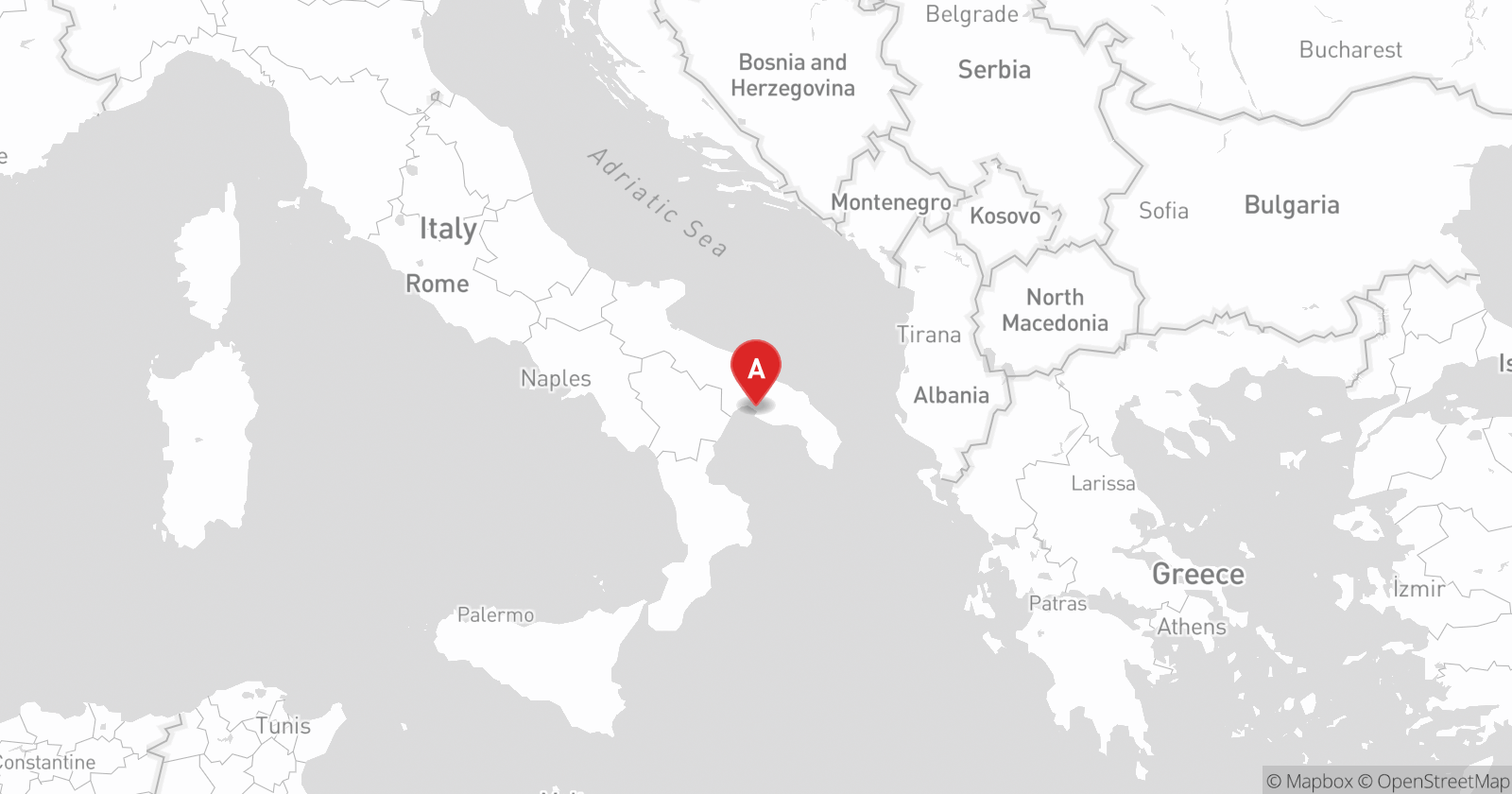
Italy’s Milan Court of Appeal has upheld an order requiring the hot-production area of the former Ilva steelworks in Taranto to shut down by October 28, rejecting a request from the companies operating and administering the plant to delay the measure.
The decision keeps in force a July order issued after legal action by 11 Taranto residents. It applies to the section of the complex that includes the blast furnaces and other equipment used in primary steel production. The court’s reasoning gives precedence to protection of residents’ health while questions remain over pollution levels and the risks associated with continued operation.
The ruling intensifies a long-running national dispute over whether the plant can continue producing steel while it is gradually modernized, or whether its most polluting equipment must be taken out of service before a new industrial model is built. The Puglia regional government supported the residents’ case during the appeal proceedings. In its submission, the region argued that the court’s decision should create a route toward full decarbonization while safeguarding health, the environment and employment.
The companies have argued that the timetable is technically unworkable and could cause lasting damage to the steelworks. One issue raised in the proceedings concerns asbestos-containing material in the plant’s hot-blast units. According to the company’s account, about 1,690 tonnes of such material are located in seven of the site’s 12 units. Removing it safely, the company says, would take substantially longer than the roughly three-month period allowed by the order.
The case also includes a dispute over emissions of fine particles, including PM10 and PM2.5, and over the health assessment connected to the plant’s authorization to operate. The companies have questioned whether the facility could be safely placed in an extended idle state and later restarted, while opponents have argued that continued exposure to industrial pollution cannot be justified while health impacts remain unresolved.
Production at Taranto is already far below the levels associated with the plant’s past operations. Rai News reported that only one of the site’s three blast furnaces was operating and that around 3,000 of fewer than 8,000 direct employees were on temporary layoffs. A shutdown of the hot area would therefore come on top of an existing reduction in activity rather than abruptly ending a fully operating complex.
The employment consequences extend beyond the steelworks itself. Before the appeal ruling, the government convened talks with local authorities, employers and trade unions. A temporary understanding paused planned dismissals involving about 2,500 workers employed by companies that supply services to or depend on the Taranto complex. The measure was intended to provide time for a wider decision on the plant’s future, but it does not resolve the underlying uncertainty.
Government officials have discussed temporary social protections and the possibility of the state taking a stake in the business, provided that a credible industrial plan is presented. They have also raised a redevelopment strategy based on lower-carbon steelmaking, including the use of direct-reduced iron, alongside broader efforts to attract new industries to the area.
The court ruling does not settle that industrial question. It sets a legal deadline for the hot area while the government, the companies, local institutions and unions continue to negotiate over whether Taranto can be converted into a greener steel hub. For residents, the decision addresses years of concern about pollution; for workers and contractors, it increases pressure for a transition plan that can preserve income and employment while the plant’s most controversial operations are withdrawn.
Sources referenced
Original reporting synthesized in this article. Civitano summarizes coverage differences — it does not reproduce outlet wording.
- Ex Ilva, confermato lo stop per l'area a caldo
- 🇮🇹Italy
Rai News reports that the Milan Court of Appeal rejected the companies’ request to suspend the shutdown of Taranto’s hot area, leaving an October 28 deadline in place. The court’s reasoning gives priority to residents’ health over continued industrial activity where pollution limits and risks remain at issue. The article says the plant is already operating at sharply reduced capacity, with roughly 3,000 of fewer than 8,000 direct employees on temporary layoffs and only one of three blast furnaces operating.
Published September 10, 2026
- Ex Ilva, Regione 'decisione giudici consenta totale decarbonizzazione'
- 🇮🇹Italy
ANSA reports that the Puglia regional government joined the court proceedings ahead of the September 9 hearing on the requested suspension. The region supported the legal action brought by 11 Taranto residents, which had led to the July order requiring the polluting equipment to be shut down by October 28. Its filing asked the court to allow a path toward complete decarbonization while protecting health, the environment and employment.
Published September 6, 2026
- Ex Ilva, i giudici si riservano sulla sospensiva per l'area a caldo
- 🇮🇹Italy
Before the final ruling, Rai News described a temporary agreement to pause planned dismissals affecting about 2,500 workers at businesses supplying the Taranto steel complex. The government held meetings with local authorities, employers and unions and raised the possibility of a public stake, provided that a credible industrial plan is produced. Officials also discussed temporary social measures, a new green-steel process using direct-reduced iron, and broader reindustrialization efforts if the hot area were ultimately closed.
Published September 8, 2026
- Ex Ilva, Corte d’Appello di Milano si riserva
- 🇮🇹Italy
The Taranto outlet explains that the court dispute centers on whether the plant can safely remain idled and later restart, or whether the order would cause irreversible damage to the steelworks. It details the company’s claim that about 1,690 tonnes of asbestos-containing material are present in seven of the plant’s twelve hot-blast units and that remediation would require a much longer process than 90 days. The article also describes the competing arguments over PM10 and PM2.5 emissions and the unresolved health-impact assessment tied to the plant’s operating authorization.
Published September 8, 2026