Israeli Court Allows E1 Settlement Tenders for 1,234 Homes to Proceed
An Israeli court has declined to freeze tenders for 1,234 proposed housing units in the E1 area east of Jerusalem, although legal challenges to the project remain unresolved. Palestinian officials and several governments say the plan threatens the territorial continuity needed for a future Palestinian state.
- 🇦🇪United Arab Emirates
- 🇮🇱Israel
- 🇵🇸Palestine
- 🇺🇸United States
4 countries cited
What happened
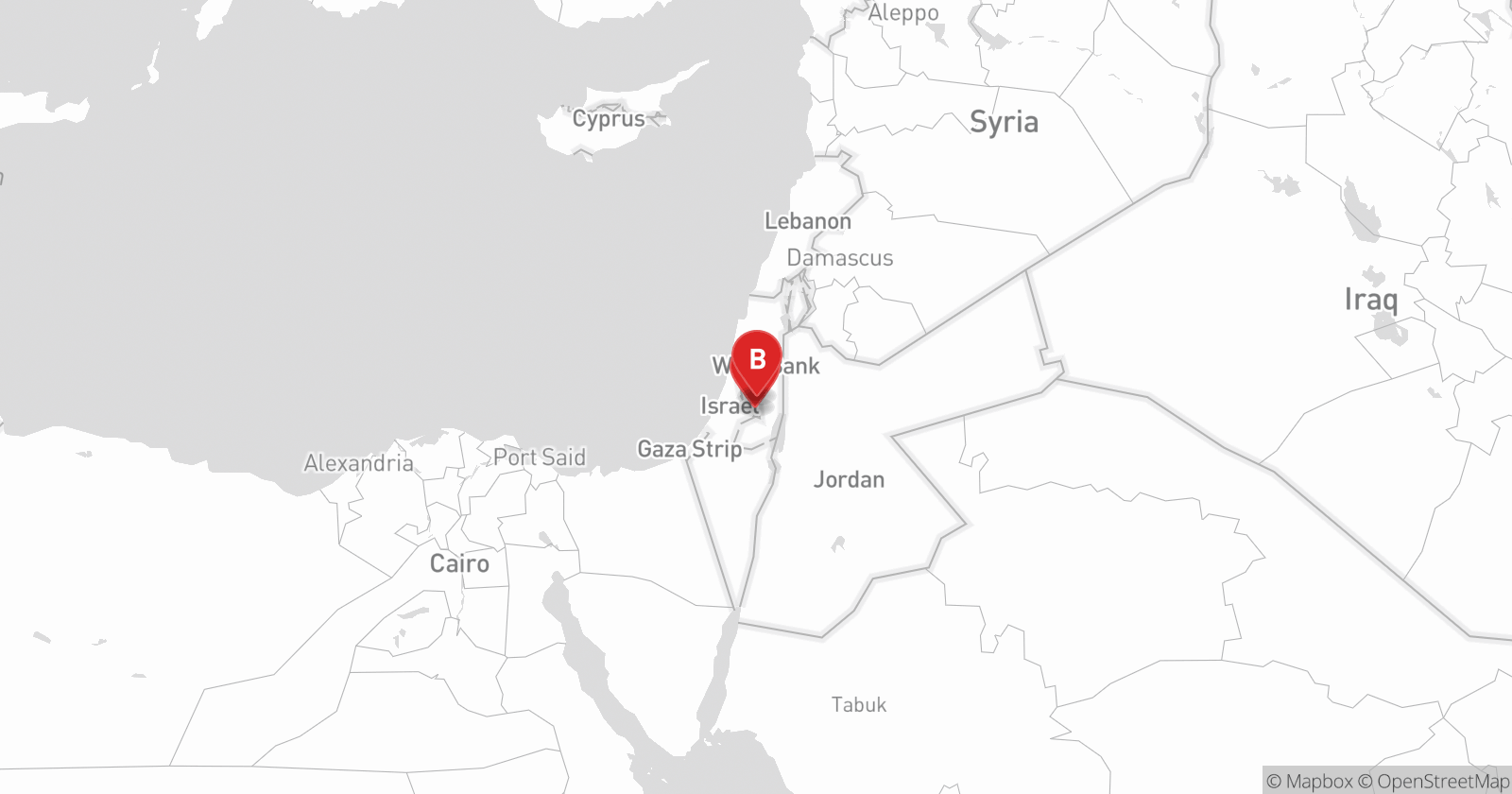
The Jerusalem District Court has rejected requests to suspend the tender process for a proposed Israeli settlement project in the E1 area, east of Jerusalem. The plan covers 1,234 housing units arranged in seven residential compounds. The ruling allows the tender process to continue, but it does not itself authorize immediate construction or resolve the petitions challenging the project.
The legal cases remain pending, and the court’s decision was described in coverage as a procedural step. Israeli reporting stressed that physical work has not begun and that the broader legal review could still affect the project. Other accounts likewise noted that the tender decision concerns the next stage of planning and bidding rather than the completion of homes on the ground.
E1 is widely treated as strategically important because of its location between Jerusalem and the central West Bank. Development there could make movement between the northern and southern parts of the West Bank more difficult and could complicate the creation of a geographically connected Palestinian state. Palestinian officials, rights groups and international governments have therefore linked the project to broader concerns about settlement expansion, annexation and the future shape of the territory.
The decision came amid renewed diplomatic pressure over Israeli settlements. Palestinian President Mahmoud Abbas called for international action to stop the E1 plan and wider settlement growth. Separate reporting also placed the dispute alongside measures by the United Kingdom, France and Canada targeting trade connected to Israeli settlements. Israel rejected the pressure and responded to the British measure by announcing the closure of the British consulate in Jerusalem, according to Associated Press coverage.
How each side reports it
Israeli-aligned coverage, represented by *The Times of Israel*, presents the ruling primarily as a limited judicial and administrative decision. Its account emphasizes that the court rejected applications to halt bidding rather than approving construction itself. It also highlights the continuing petitions and the possibility that the project could still face legal obstacles. This framing places the immediate event within a sequence of planning procedures, stressing what has not yet happened as much as what the ruling permits.
Palestinian coverage gives the decision a broader political and territorial meaning. WAFA presents E1 as part of an Israeli policy intended to fragment Palestinian land and weaken the prospect of a contiguous Palestinian state. Its emphasis is on the consequences for Palestinians and on the responsibility of outside governments to intervene. The report connects the settlement issue with other Palestinian demands, including stopping expansion, opposing displacement and annexation, and addressing the withholding of Palestinian funds.
International reporting sympathetic to Palestinian concerns, including *The National* and the Associated Press, places the court decision within a wider confrontation over settlement policy. These accounts foreground warnings from rights organizations and analysts that building in E1 could divide the West Bank. They also give substantial attention to foreign-government responses and to the diplomatic consequences, including European restrictions on settlement-linked goods. The project’s timing and its potential effect on negotiations receive more prominence in these reports than the technical details of the tender process.
The differences are also visible in terminology and attribution. Israeli coverage generally uses administrative language such as tenders, petitions, compounds and construction, and relies on the court’s reasoning to define the significance of the ruling. Palestinian and critical international coverage more often describes the plan as a settlement project with territorial and political consequences, citing Palestinian officials, rights groups and international analysts. The former stresses legal review and the absence of immediate building; the latter stresses possible fragmentation and the erosion of a future Palestinian state. These accounts describe the same procedural development, but assign it different weight within the larger Israeli-Palestinian conflict.
Sources referenced
Original reporting synthesized in this article. Civitano summarizes coverage differences — it does not reproduce outlet wording.
- Israeli court rejects three petitions to halt illegal E1 settlement plan
- 🇦🇪United Arab Emirates
The National focuses on the court’s reasoning that physical changes would not occur immediately and that the legal petitions could be resolved before the tender is implemented. Its coverage emphasizes warnings from rights groups and the International Crisis Group that E1 development could split the West Bank, while also noting the project’s political timing before Israel’s October election.
Published September 8, 2026
- Court rejects petition to halt bidding for key West Bank settlement project east of Jerusalem
- 🇮🇱Israel
The Israeli outlet presents the ruling as a procedural decision allowing tenders for seven residential compounds, totaling 1,234 units, to continue. Its framing stresses that the court did not approve immediate construction and that other petitions against the project remain under review.
Published September 8, 2026
- President Abbas: Protecting Palestinians and thwarting displacement and annexation plans are our first responsibility
- 🇵🇸Palestine
The Palestinian news agency frames E1 as part of a broader Israeli effort to fragment Palestinian territory and weaken the possibility of a contiguous Palestinian state. It highlights Mahmoud Abbas’s call for international action to stop the plan, halt settlement expansion and release withheld Palestinian funds.
Published September 10, 2026
- UK government bans goods from Israeli settlements in the West Bank
- 🇺🇸United States
AP places the court decision within a wider diplomatic backlash, reporting that the United Kingdom banned trade with Israeli settlements and that France and Canada announced similar measures. The article notes Israel’s retaliatory decision to close the British consulate in Jerusalem and identifies E1 as a central concern because of its potential effect on a future Palestinian state.
Published September 8, 2026