Protests spread across India over electoral-roll revision and election commissioner’s resignation
Opposition parties, student groups and civil-society organizations held demonstrations across India on October 2 over the nationwide revision of electoral rolls. The Election Commission responded by ordering special enrollment campaigns for voters who may have been wrongly omitted.
- 🇮🇳India
1 countries cited
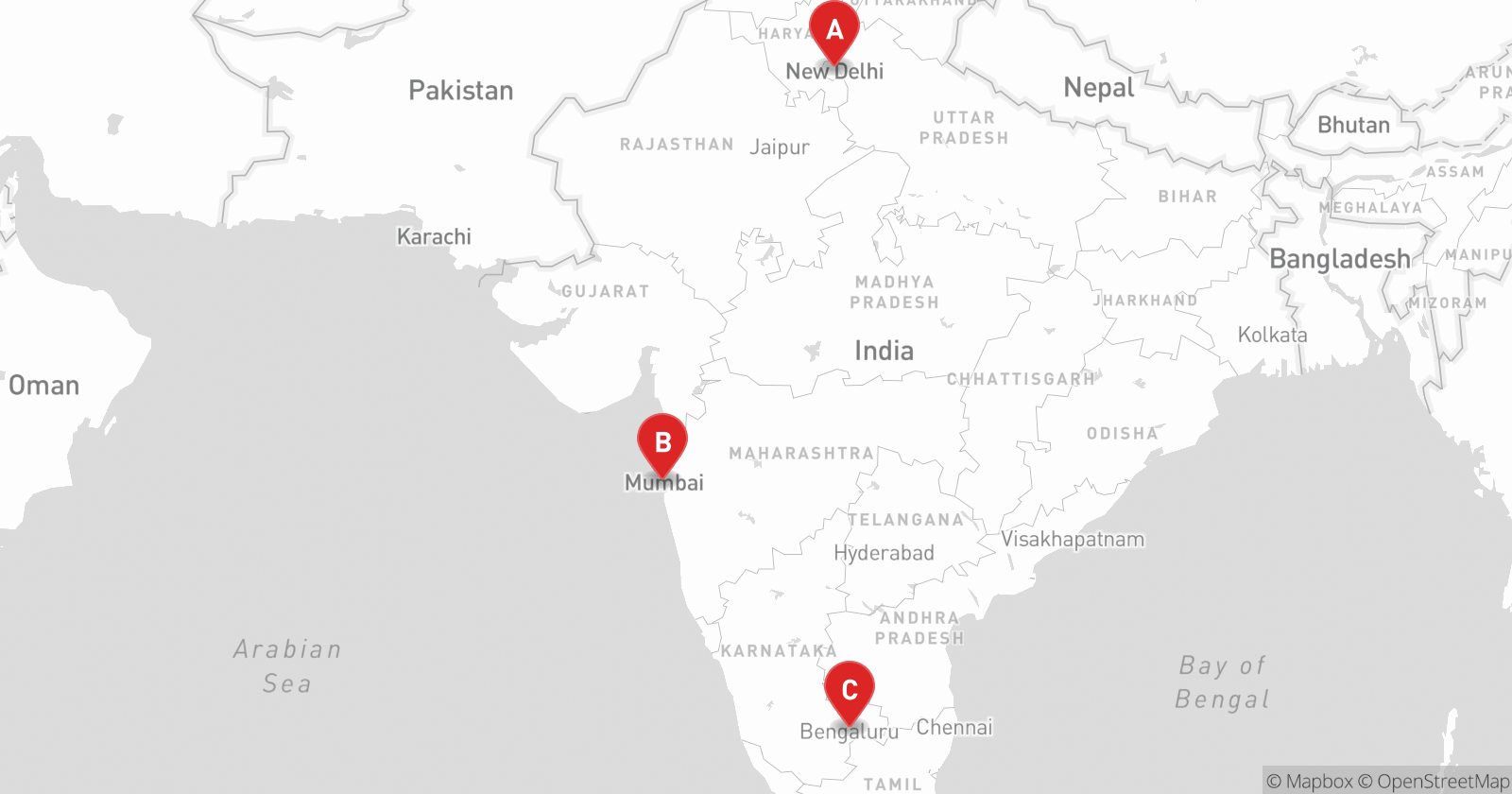
Protests took place across India on October 2 against the nationwide revision of electoral rolls, with demonstrators demanding the resignation of Chief Election Commissioner Gyanesh Kumar and greater transparency from the Election Commission. The mobilizations were reported in Delhi, Mumbai, Ahmedabad, Lucknow, Patna and other cities, reflecting growing political concern over whether eligible voters have been removed from draft lists.
In New Delhi, police detained more than 700 people near Jantar Mantar and on surrounding roads, according to a report on the demonstrations. Access to several metro stations in central Delhi was temporarily limited, and internet service was suspended in parts of the area. The protesters opposed the Special Intensive Revision, or SIR, and called for the earlier electoral rolls to remain in force while the disputed changes were examined.
Mumbai saw separate actions. A large gathering at Shivaji Park included student organizations and regional political groups, while about 120 people demonstrated in Goregaon with support from civic and religious organizations. Participants asked that voters who had been removed without adequate grounds be restored and called for an investigation into the possible misuse of Form 7, the document used to request deletion of a name from the rolls.
Organizers in Mumbai acknowledged that some removals could be legitimate, including cases involving people who had died or moved away. Their objection was to the scale of the exercise and the way individual deletions were being handled. The Election Commission’s position, as reported locally, is that people missing from draft rolls can seek re-enrollment through the normal application process.
The dispute has intensified after the revision removed roughly 13 crore names from draft electoral rolls nationwide, according to reporting on the Election Commission’s response. The figure has prompted scrutiny within the commission as well as criticism from opposition parties and civil-society groups. Officials have been instructed to compare voter lists from before and after the revision, identify people who appear to have been excluded by mistake and contact them so they can apply again through Form 6, the standard application for adding a voter.
The commission ordered special enrollment campaigns in 20 states and union territories where the revision had been completed. Assistance camps were scheduled for October 3, 4, 10 and 11. The exercise is intended to find voters left out of the revised lists and provide a route for their names to be restored, while preserving the commission’s broader effort to remove duplicate, deceased or otherwise ineligible entries.
The controversy also reached Karnataka, where Chief Minister D. K. Shivakumar and members of his cabinet held a six-hour protest outside the state election office in Bengaluru. Shivakumar alleged that large numbers of Form 7 requests had been submitted to target eligible voters, and warned that minority and disadvantaged communities could be especially exposed. He also accused political opponents of organizing mass filings, allegations that remained politically contested and had not been independently established in the report.
After the protest, Karnataka’s chief electoral officer directed officials in all 224 assembly constituencies to examine claims involving false declarations and to pursue legal action where evidence warranted it. The order required inquiries before any criminal proceedings, making clear that the most serious allegations were still subject to verification.
The SIR process is intended to update electoral registers, but the scale of the deletions has turned an administrative exercise into a national political dispute. The commission’s special drives may help restore names that were removed in error, while the protests are pressing for a fuller account of how deletions were proposed, checked and communicated to affected voters. The issue is therefore likely to remain contested as officials review the lists and voters seek inclusion before future elections.
Sources referenced
Original reporting synthesized in this article. Civitano summarizes coverage differences — it does not reproduce outlet wording.
- ECI orders special drive to enrol voters left out of SIR
- 🇮🇳India
The Election Commission instructed officials in 20 states and union territories to conduct a special campaign for voters who may have been omitted during the Special Intensive Revision. The paper reported that roughly 13 crore names had been removed from draft rolls nationwide, prompting scrutiny inside the Commission itself. Officials were told to compare pre- and post-revision lists, contact people who appeared to have been wrongly excluded and use the standard Form 6 process for re-enrollment. Special voter-assistance camps were scheduled for October 3, 4, 10 and 11.
Published October 1, 2026
- Mumbai Citizens Protest SIR In Goregaon, Seek Restoration Of Eligible Voters & CEC Gyanesh Kumar's Resignation
- 🇮🇳India
About 120 people demonstrated in Mumbai’s Goregaon against the electoral-roll revision and called for allegedly deleted voters to be restored. Protesters from several civic and religious organizations also sought an investigation into possible misuse of Form 7, which is used to request deletion of a voter’s name. Organizers acknowledged that some removals may involve deceased or relocated voters but questioned the scale and procedures of the exercise. The Election Commission’s position, as described in the report, was that people missing from draft lists could apply to be added again.
Published October 1, 2026
- सीईसी को हटाने की मांग को लेकर दिल्ली, मुंबई में प्रदर्शन; राष्ट्रीय राजधानी में 700 लोग हिरासत में
- 🇮🇳India
The report described coordinated October 2 demonstrations in Delhi, Mumbai, Ahmedabad, Lucknow and Patna demanding the chief election commissioner’s resignation. Police said more than 700 people were detained around Jantar Mantar and nearby roads, while access to several central Delhi metro stations was temporarily restricted and internet service was suspended in parts of the area. In Mumbai, the Cockroach Janata Party led a large gathering at Shivaji Park with support from student groups and regional political parties. Protesters linked their demands to concerns about the voter-roll revision and called for the previous electoral list to remain in force.
Published October 1, 2026
- Karnataka CEO’s order ends 6-hour dharna by CM over alleged voter deletion
- 🇮🇳India
Karnataka Chief Minister D. K. Shivakumar and members of his cabinet held a six-hour protest outside the state election office in Bengaluru over alleged bulk submissions seeking to remove eligible voters. The state chief electoral officer then directed officials in all 224 assembly constituencies to investigate false declarations and pursue legal action where appropriate. Shivakumar alleged that tens of millions of voters, particularly minority and disadvantaged communities, could be vulnerable, while also accusing political opponents of organizing mass filings. The electoral authorities ordered inquiries before any criminal action, so the most serious allegations had not been independently established in the article.
Published October 2, 2026