Electricity Protests Spread Across The Gambia as Authorities Deploy Security Forces
Demonstrations over prolonged power cuts have spread through Banjul, the Greater Banjul Area and nearby West Coast communities, leading to arrests, tear gas and a broader security operation. The unrest is putting pressure on President Adama Barrow’s government ahead of December’s presidential election.
- 🇬🇲Gambia
1 countries cited
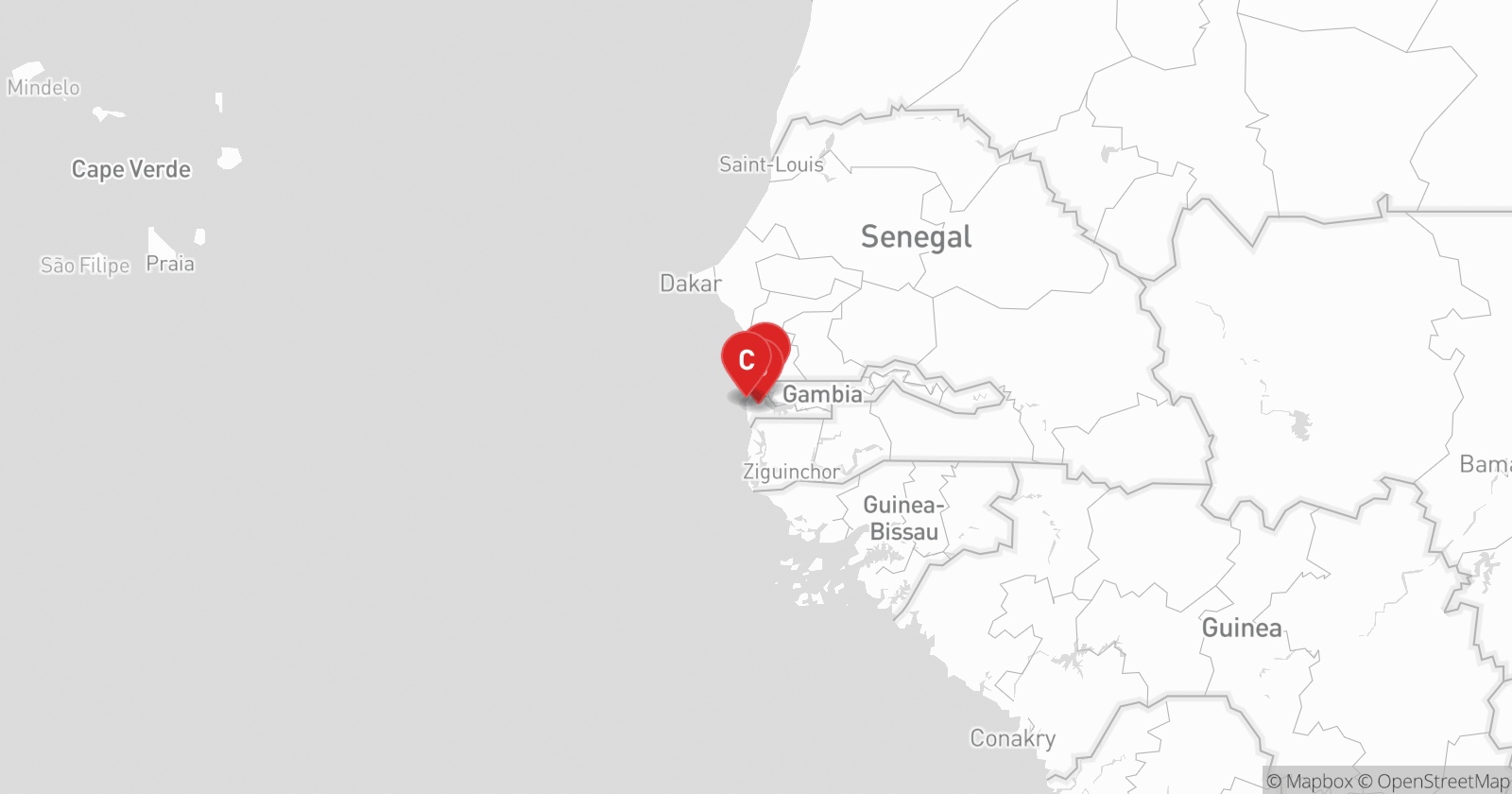
Protests over prolonged electricity shortages have spread from Banjul across the Greater Banjul Area and the nearby West Coast, prompting arrests, tear-gas use and the deployment of police, soldiers and other security personnel.
Residents have held candlelight demonstrations, blocked roads and burned tires to demand a more reliable power supply. Local reports described unrest in communities around the capital, including Ebo Town, Churchill’s Town, Bakoteh, Manjai, Brikama and Wellingara, as well as farther-west settlements. Some demonstrators tried to move toward the State House or offices of the national electricity company, NAWEC.
The protests follow months of worsening outages. In some communities, electricity has been unavailable for a full day or longer, with the effects especially severe during the hot season. The interruptions have disrupted households, shops, small industries and public services, while businesses that depend on refrigeration or electronic equipment face additional losses. Hospitals and fishing communities have also been affected by unreliable power and fuel costs for backup generation.
NAWEC has attributed the shortages to several pressures occurring at the same time. Demand has risen sharply in hot weather as households and businesses use more cooling equipment. The country also relies partly on imported electricity, and limits on those imports have reduced available supply. A technical problem further strained the system. The utility has warned that the expansion of grid connections has not been matched by enough domestic generating capacity, leaving The Gambia vulnerable when imported power is disrupted.
Police said at least 10 youths were arrested on September 8 after demonstrations spread through the capital region and the West Coast. Authorities acknowledged the public anger over the outages but said attacks on police facilities, NAWEC offices and other public infrastructure could not be accepted. They called on residents to present their complaints peacefully and warned that arson and property destruction were criminal offenses.
As the demonstrations continued, authorities assembled a joint operation involving police, the armed forces, prison officers and immigration personnel. The deployment covered areas including Sukuta-Nema, Tanji, Kerr Serign, Tujereng, Jambur and parts of Brikama. Officials said the purpose was to protect residents, property and critical infrastructure. Accounts from communities reported roadblocks, burning tires and the use of tear gas to disperse crowds.
President Adama Barrow has promised that additional generating capacity will be available by late October. He has also pointed to a planned solar power project as part of a longer-term effort to reduce the country’s dependence on imported electricity. Those assurances have not yet quieted public frustration, as residents continue to face outages and uncertainty over when supply will improve.
The crisis has become politically sensitive because Barrow is seeking another term in the presidential election scheduled for December. Electricity access is a daily concern for much of the population, and the protests have turned a longstanding infrastructure problem into a broader test of the government’s ability to provide basic services and manage public anger.
Opposition figure Babacarr Jobe, writing amid the unrest, condemned vandalism while recognizing the hardship caused by the blackouts. He urged residents and the government to choose dialogue over attacks on public institutions. His appeal reflected the difficult balance now facing the country: residents are demanding action on a service failure, while authorities are trying to prevent demonstrations from escalating into wider damage or confrontation.
The immediate question is whether promised generation can be brought online quickly enough to ease conditions before the election. Until then, the combination of unreliable electricity, rising demand and limited domestic capacity is likely to keep pressure on households and businesses—and on the government responsible for restoring public confidence.
Sources referenced
Original reporting synthesized in this article. Civitano summarizes coverage differences — it does not reproduce outlet wording.
- Banjul Power Blackouts Spark Spontaneous Protests Across The Gambia
- 🇬🇲Gambia
The article reports that demonstrations began in Banjul and quickly appeared in several neighboring communities, including Ebo Town, Churchill’s Town, Bakoteh, Manjai, Brikama and Wellingara. Protesters used candles and slogans demanding restored electricity, with some attempting to approach the State House or a local NAWEC facility. The report links the protests to months of worsening outages that have disrupted homes, businesses and other essential activities.
Published September 8, 2026
- Prolonged Blackouts Spark Protests in Greater Banjul and West Coast
- 🇬🇲Gambia
Askanwi describes protests in the Greater Banjul Area and West Coast Region, including incidents involving burning tires and police efforts to disperse crowds. It says the utility had warned in August that demand had risen sharply during hot weather, while limits on imported electricity and a technical problem had worsened supply. The article also highlights a structural vulnerability: growing connections to the grid have not been matched by enough domestic generation, leaving the country exposed when imports fail.
Published September 8, 2026
- Police Urge Restraint as 10 Youths Arrested After Electricity Protests
- 🇬🇲Gambia
The Gambia Journal reports that police acknowledged the public frustration but condemned vandalism against police stations, NAWEC offices and other infrastructure. Ten youths were reportedly arrested early on September 8 after protests that began in Banjul spread through the Greater Banjul and West Coast areas. Police characterized arson and property destruction as criminal conduct while calling for grievances to be expressed peacefully and lawfully.
Published September 9, 2026
- Joint Security Forces Mobilized As Electricity Protests Spread Across Greater Banjul
- 🇬🇲Gambia
The report says police, armed forces, prisons personnel and immigration officers were combined into a special operation as demonstrations continued in communities such as Sukuta-Nema, Tanji, Kerr Serign, Tujereng, Jambur and Brikama Manduar. Authorities said the deployment was intended to protect people, property and critical infrastructure, while local accounts described roadblocks, tire fires and tear-gas use. President Barrow’s promise that additional generation would arrive by late October had not yet eased public anger.
Published September 10, 2026
- ANRD Leader Calls For Calm, Dialogue Over Electricity Crisis
- 🇬🇲Gambia
The Standard reports that opposition figure Babacarr Jobe condemned the destructive elements of the protests while recognizing the hardship caused by persistent blackouts. He urged residents to use peaceful dialogue rather than burn tires or damage public institutions. The article reflects how the electricity crisis has moved beyond a service-delivery issue into a broader political and public-order concern.
Published September 10, 2026