Ebola outbreak in the Democratic Republic of the Congo surpasses 10,000 cases
An Ebola outbreak in the Democratic Republic of the Congo has passed 10,000 confirmed cases and caused nearly 4,900 deaths. The disease has spread across eight provinces, with linked or imported infections also identified in Kenya and Nigeria.
- 🇦🇺Australia
- 🇩🇪Germany
- 🇺🇸United States
3 countries cited

File photo of rainforest in Ituri Province, Democratic Republic of the Congo.
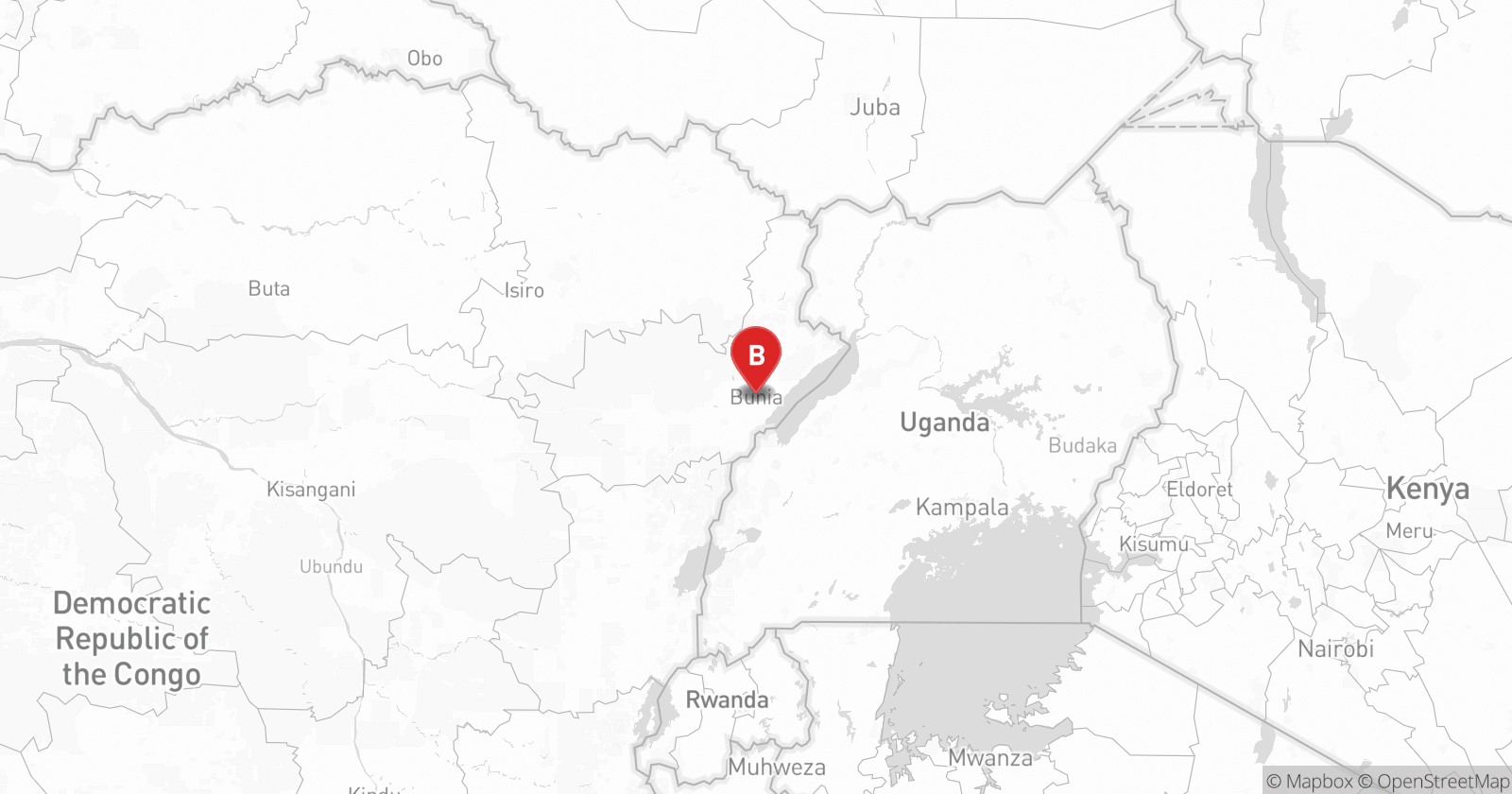
What happened
Health authorities in the Democratic Republic of the Congo recorded 10,060 confirmed Ebola cases and 4,887 deaths by October 27, 2026, according to the common figures reported by the Associated Press, ABC News Australia and Deutsche Welle. The outbreak began in May and has grown rapidly, making the 10,000-case threshold a major marker of its scale. The reported deaths represent a fatality burden approaching half of all confirmed cases.
The outbreak has expanded across eight provinces in the DRC. Infections connected to the epidemic have also been detected beyond the country’s borders, with Kenya and Nigeria reporting cases that international health authorities are monitoring. These developments have turned a domestic emergency into a regional public-health concern, because movement between countries can complicate tracing contacts and identifying people exposed to the virus.
The outbreak is caused by the Bundibugyo virus, a less commonly discussed Ebola species. The coverage agrees that there is no approved vaccine or specific treatment for this strain. Clinical trials and experimental medical approaches are being considered or pursued, but they do not provide the same established tools available for some other Ebola outbreaks. Health workers therefore remain heavily dependent on early detection, isolation, supportive care and infection-control measures.
The emergency is also affecting the systems needed to contain it. Conflict and insecurity in parts of the DRC, difficult transport conditions, distrust of health authorities and misinformation have made it harder to reach patients and trace contacts. Health facilities and ordinary medical services are under additional pressure, while responders themselves face danger. Together, these conditions help explain why the outbreak has spread quickly and why the consequences extend beyond the official case count.
How coverage differs
The Associated Press presents the milestone primarily as a story of speed, scale and deteriorating containment. Its framing places the DRC outbreak among the country’s most consequential Ebola emergencies, emphasizing how quickly infections have accumulated and how difficult it is for response teams to operate. Rather than treating the case total as a standalone statistic, the AP connects it to armed conflict, inadequate roads and transport, public suspicion and false information. Its account also gives substantial attention to the disruption of routine healthcare, suggesting that the outbreak is weakening the broader health system as well as increasing Ebola deaths.
ABC News Australia gives the milestone a more human and service-oriented emphasis. Its report draws attention to the number of children among those infected—more than 2,700—making the demographic impact more visible than in coverage centered mainly on transmission or geography. It also highlights the killing of a nurse and the injury of another health worker during an attack on responders. That detail shifts the focus from the outbreak’s expansion alone to the personal risks faced by medical staff and the practical cost of delivering care in insecure areas. The result is a portrayal of the crisis through vulnerable patients and endangered responders.
Deutsche Welle puts the regional and medical dimensions at the center. Its account gives more prominence to the appearance of cases in Kenya and Nigeria, presenting the outbreak as a cross-border problem rather than solely a DRC emergency. It also makes the virus itself a key part of the explanation: because the Bundibugyo strain lacks an approved vaccine and targeted treatment, containment is more difficult. By mentioning clinical trials and experimental options, DW directs attention toward the limits of current medicine and the search for tools that could change the response.
The differences are also visible in what receives less emphasis. AP’s account gives comparatively greater weight to the social and infrastructural barriers behind the numbers; ABC’s reporting foregrounds children and violence against responders; and DW stresses international spread and the absence of proven countermeasures. All three describe the same worsening outbreak, but their choices lead readers toward different interpretations: a crisis of logistics and trust, a human emergency affecting patients and health workers, or a regional threat intensified by scientific uncertainty. These are complementary lenses rather than competing factual accounts.
Sources referenced
Original reporting synthesized in this article. Civitano summarizes coverage differences — it does not reproduce outlet wording.
- Ebola outbreak in Democratic Republic of Congo surpasses 10,000 cases
- 🇦🇺Australia
ABC foregrounds the human and health-system consequences of the milestone, including almost 5,000 deaths and more than 2,700 infected children. It also highlights a recent attack on responders in which one nurse was killed and another health worker was injured.
Published October 28, 2026
- DR Congo Ebola outbreak: Cases top 10,000
- 🇩🇪Germany
DW highlights the regional dimension of the outbreak, noting confirmed infections in Kenya and Nigeria alongside the situation in the DRC. It stresses that the Bundibugyo strain has no approved vaccine or specific treatment, making containment more difficult, while clinical trials and experimental approaches are underway.
Published October 27, 2026
- Congo’s Ebola outbreak tops 10,000 cases as authorities race to slow the spread in African countries
- 🇺🇸United States
The AP emphasizes the scale and speed of the outbreak, describing it as Congo’s fastest-growing and deadliest Ebola epidemic. Its coverage focuses on how armed conflict, poor transport infrastructure, mistrust and misinformation are obstructing case detection and treatment, while routine healthcare services are also being disrupted.
Published October 27, 2026