Bangladesh Faces Its Largest Recorded Measles Outbreak as Death Toll Nears 1,000
Bangladesh is confronting its largest recorded measles outbreak, with more than 166,000 suspected infections and roughly 1,000 reported deaths since March. An emergency vaccination drive reached millions of children but left significant gaps as hospitals also dealt with a dengue surge.
- 🇮🇹Italy
- 🇶🇦Qatar
- 🇺🇸United States
3 countries cited
What happened
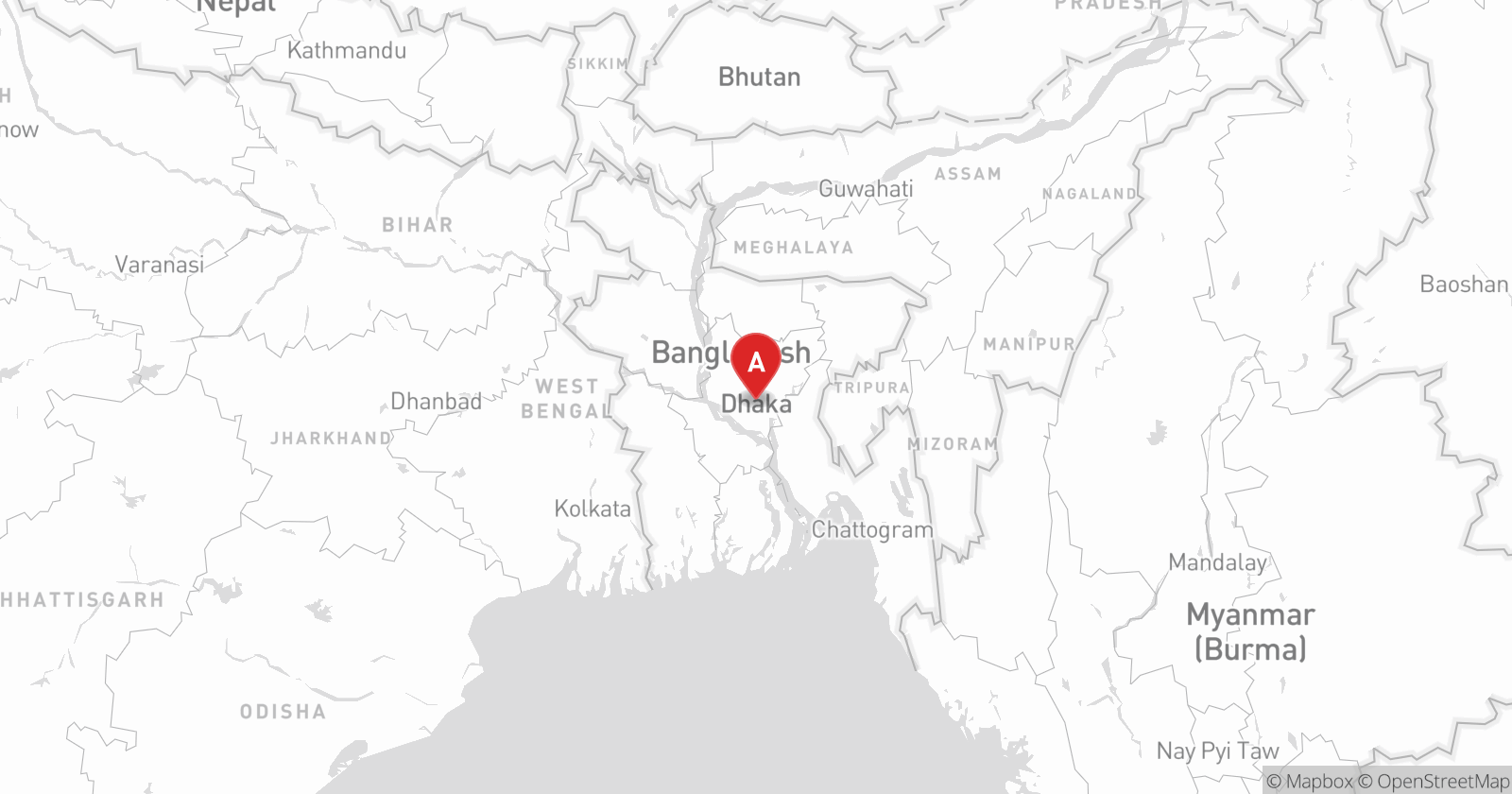
Bangladesh has been battling a measles outbreak that began in March and has become the largest recorded in the country, according to coverage by the Associated Press, Al Jazeera and Reuters, republished by Italy’s Internazionale. By September 8 and 9, those reports put the reported death toll at about 1,000, with the figures including suspected as well as confirmed measles-related cases. The reports describe the victims largely as children.
The outbreak has produced well over 166,000 suspected infections. The precise total varies by report and reporting date: the Associated Press cited more than 166,000 suspected cases, while Al Jazeera reported a higher figure from health officials on September 9. That difference does not alter the common picture of a rapidly expanding national crisis, rather than a cluster confined to one locality.
The coverage consistently links the spread to weaknesses in routine immunisation. Pandemic-era interruptions, later disruptions to health services and gaps in programme delivery left some children without full protection, including the second measles vaccine dose. An emergency campaign subsequently vaccinated millions of children across the country, but it did not reach everyone considered vulnerable. Al Jazeera reported that roughly four million children were missed by the drive, underscoring the continuing importance of areas where regular coverage has been poor.
Hospitals in Dhaka have faced the consequences alongside a substantial dengue surge. The reports describe crowded facilities treating children with measles while also managing dengue patients, placing additional pressure on beds, staff and supplies. Taken together, the sources establish a crisis driven by widespread susceptibility, high case numbers and limited medical capacity, even as authorities attempt to close vaccination gaps.
How coverage differs
The Associated Press gives the outbreak a strongly human and clinical focus. Its account follows children receiving care in Dhaka and uses their treatment to make the scale of the emergency tangible. It also stresses the speed with which measles moved across the country. The resulting frame is immediate and ground-level: a national outbreak is understood through overloaded wards and the needs of individual patients, rather than primarily through administrative failures.
Al Jazeera places greater emphasis on the vaccination campaign’s shortfall. Its headline treatment centers on the death toll passing 1,000 and the drive failing to reach its goal, while the article highlights the millions of children who were not vaccinated through the emergency effort. It also foregrounds the competition between measles and dengue patients for hospital capacity. Compared with the AP account, this presentation gives more weight to the limits of the response and to the scale of the remaining unprotected population.
The Reuters report carried by Internazionale uses a more systems-oriented explanation. It describes the event as Bangladesh’s worst measles outbreak and concentrates on how procurement changes, missed vaccination programmes and weak oversight contributed to children being left exposed. Its account also refers to the large number of suspected patients hospitalised, directing attention to the health system’s burden rather than to individual cases.
The outlets also differ in terminology and numerical emphasis. The AP and Reuters-based report use a figure of 999 suspected or confirmed deaths in the latest available count, while Al Jazeera reports more than 1,000 deaths from the following update. Al Jazeera gives a higher infection total than the AP, and the Reuters-based account highlights hospitalisations rather than only suspected infections. These are not necessarily contradictory: case definitions, updates and publication times can produce different totals. More consequential is what each account leaves less prominent. The AP gives less space to programme governance, Al Jazeera less to procurement and oversight, and the Internazionale version offers fewer patient-level details. Across the three, however, the shared message is that emergency vaccination has not yet overcome longstanding routine-immunisation gaps.
Sources referenced
Original reporting synthesized in this article. Civitano summarizes coverage differences — it does not reproduce outlet wording.
- Bangladesh fights world’s worst measles outbreak as vaccination gaps fuel spread
- 🇮🇹Italy
Internazionale republishes Reuters reporting that describes the outbreak as Bangladesh’s worst on record, with 999 suspected and confirmed measles-related deaths and more than 146,000 suspected patients hospitalised. It stresses procurement changes, missed vaccination programmes and weak programme oversight as factors that left children vulnerable, while hospitals also cope with dengue.
Published September 9, 2026
- Bangladesh measles deaths surpass 1,000 after vaccination drive falls short
- 🇶🇦Qatar
Al Jazeera emphasizes that health officials reported more than 1,000 child deaths and 187,484 infections by September 9. Its coverage highlights that roughly four million children were missed by the nationwide immunisation drive and that measles patients are competing for hospital capacity with dengue cases.
Published September 9, 2026
- Suspected measles cases kill nearly 1,000 as Bangladesh struggles to contain outbreak
- 🇺🇸United States
AP focuses on the experiences of children receiving treatment in Dhaka and the rapid spread of the outbreak across the country. It reports 999 deaths from suspected measles cases by September 8, more than 166,000 suspected infections, and a decline in second-dose vaccination coverage after pandemic-era and political disruptions.
Published September 9, 2026